Chios is one of Greece’s traditional maritime hubs, with its seafaring legacy dating back to the 1930s when the first sailing ships were built. Since then, the people of Chios have embraced every new development and excelled in shipping. During the First and Second World Wars, Chios’ maritime community faced great hardship, suffering heavy losses in ships and personnel. After the war, the Chians bought new ships and dominated the seas, while also prioritising education through the establishment of maritime schools and academies on the island. The seafaring profession was long considered one of the most challenging due to difficult working conditions, a lack of modern equipment, and limited specialisation. However, from the 1950s onward, many young people left agricultural work to pursue a maritime career, despite low wages at the time.
Today, the seafaring tradition continues, with many young men and women choosing a life at sea. The benefits of this profession include high wages, quick career progression, global travel, and stable employment, while the drawbacks include long periods away from family, harsh working environments, constant job location changes, and the responsibility for cargo and crew.
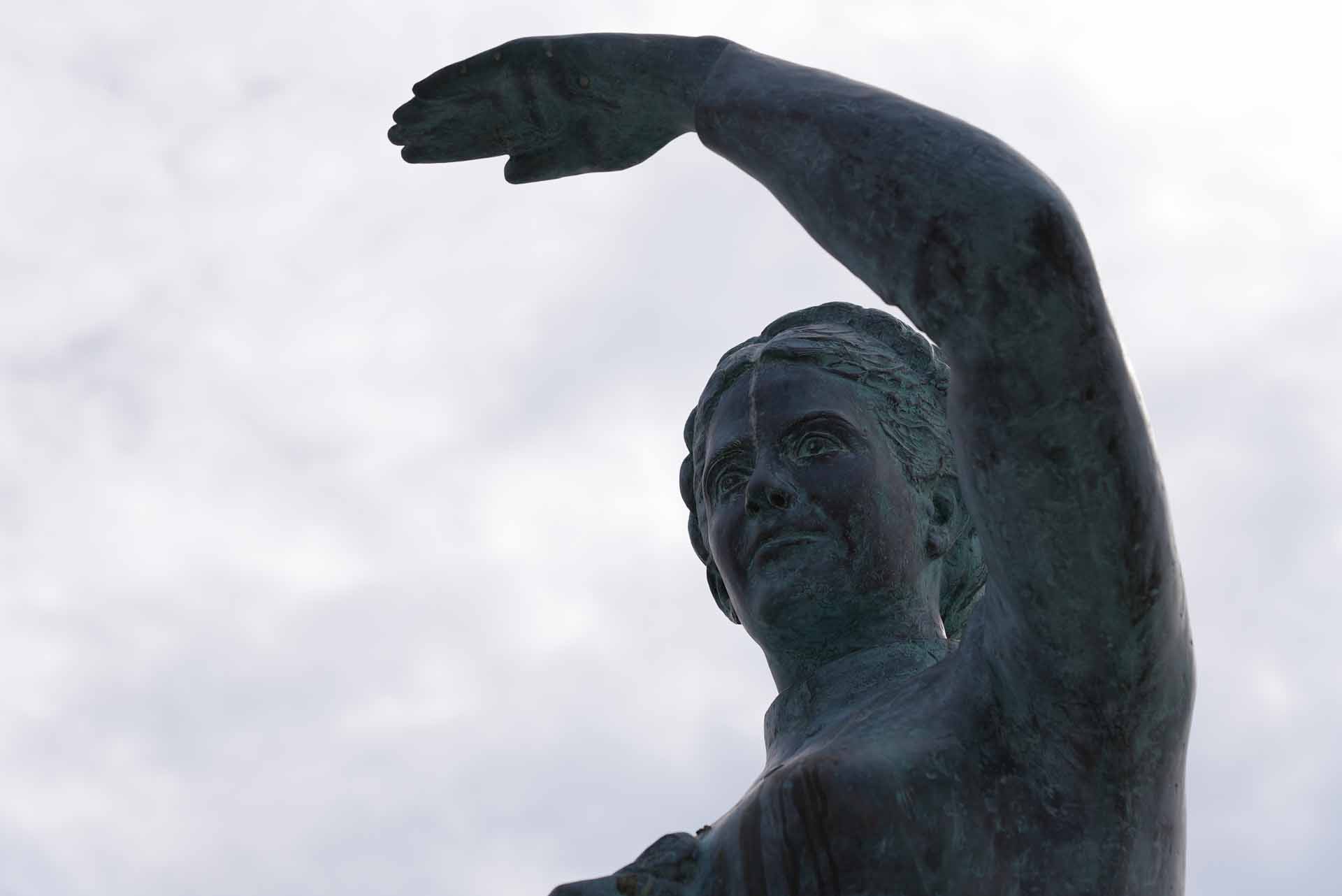
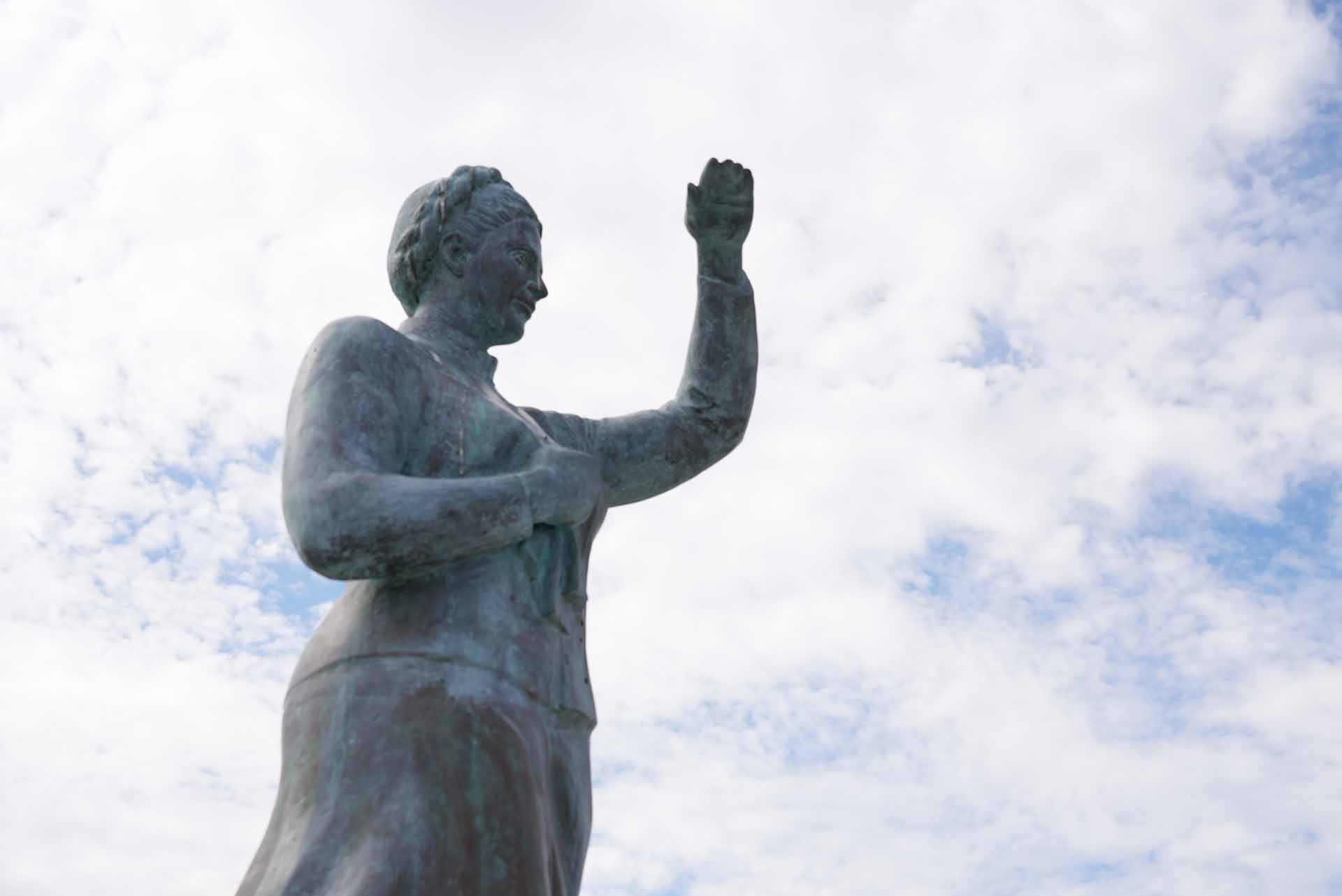
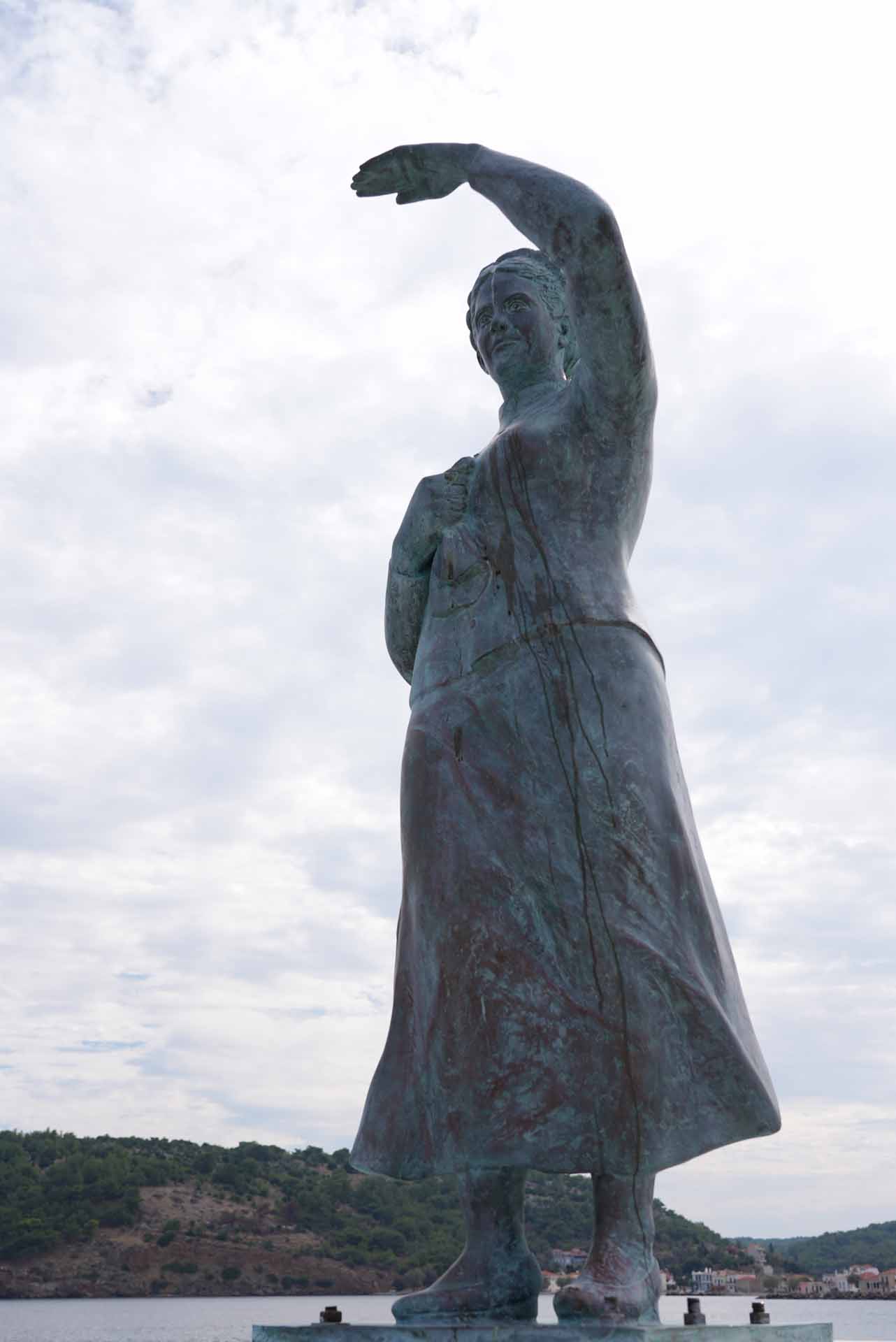
Chios’ maritime heritage is also reflected in the architecture of its settlements, like in Vrontados, Kardamyla, Sykiada, etc. Public spaces are adorned with works of art, while donations from shipowners to major infrastructure projects improve residents’ lives and support a daily life centreed around the sea. Statues dedicated to sailors lost at sea can be found in Vrontados (The Unknown Sailor), Marmaro Beach in Kardamyla (The Kardamylian Sailor), and at Daskalopetra.