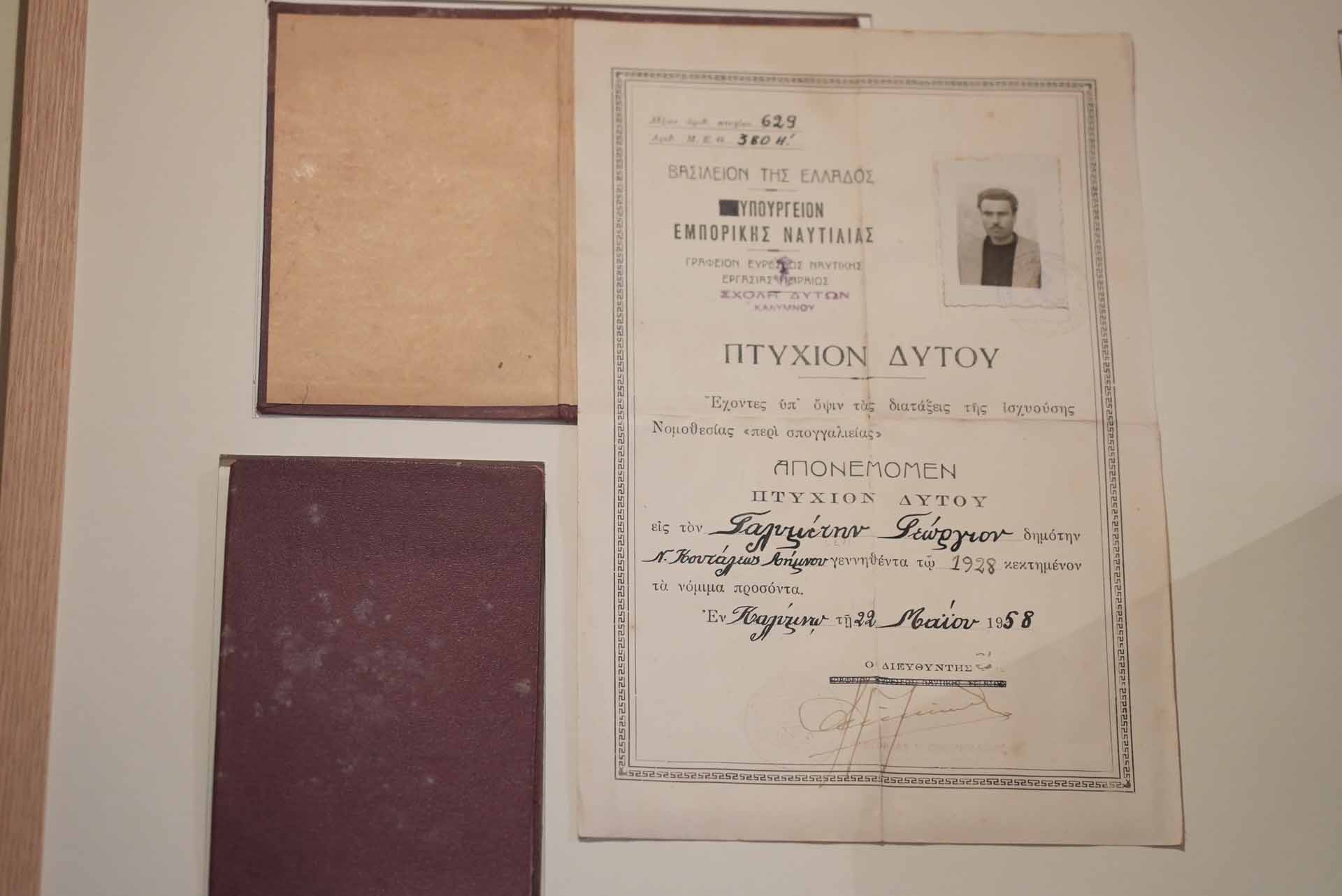
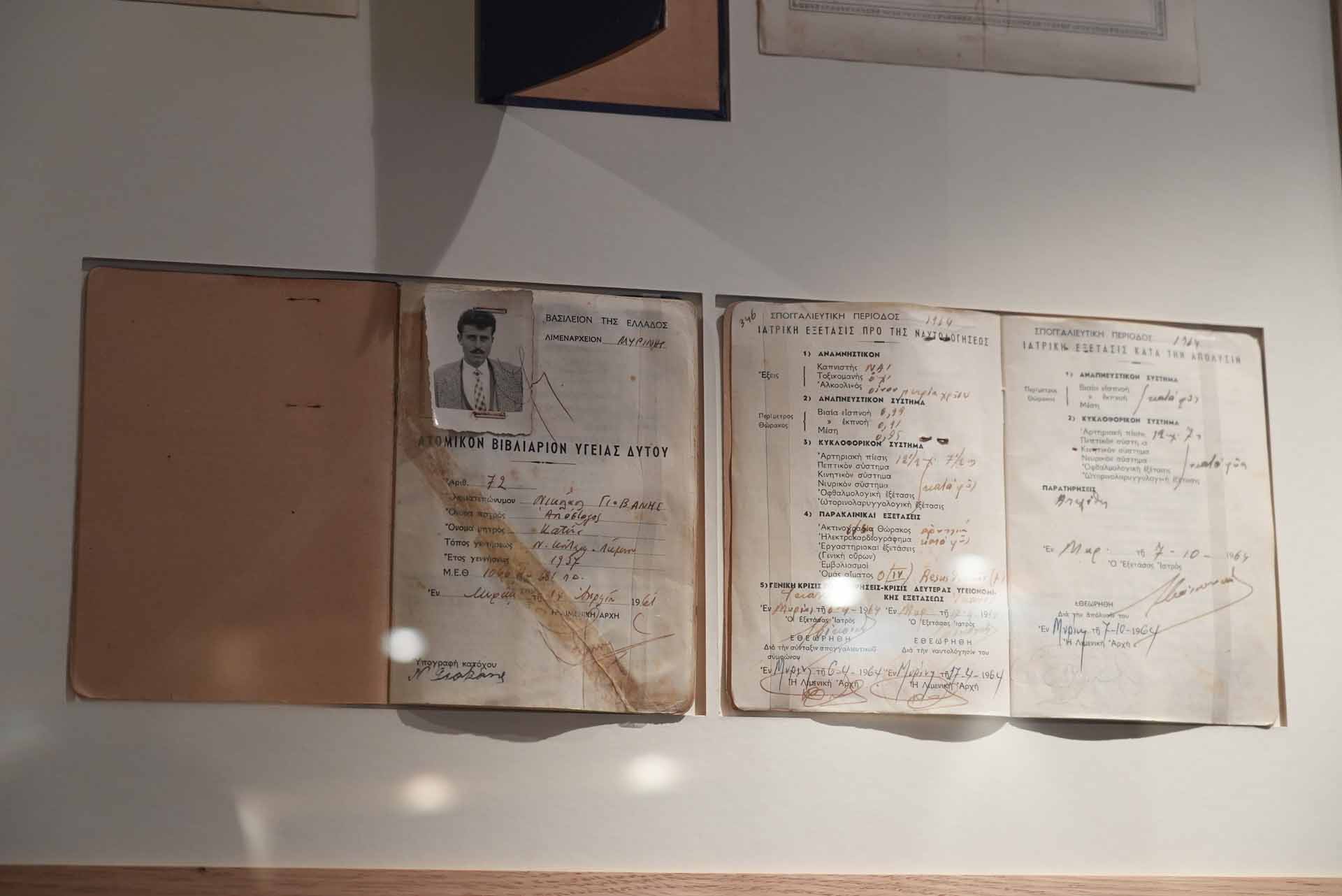
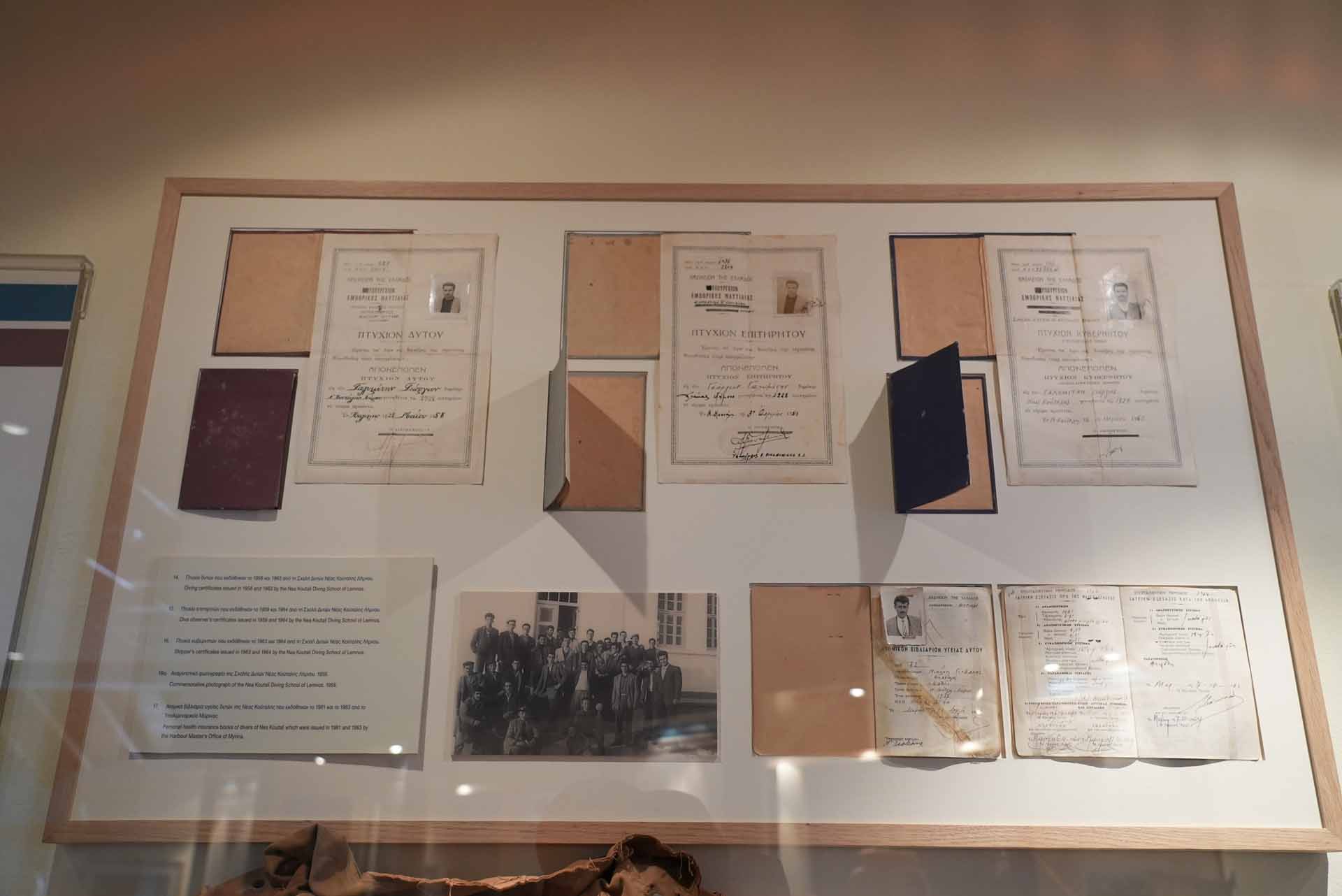
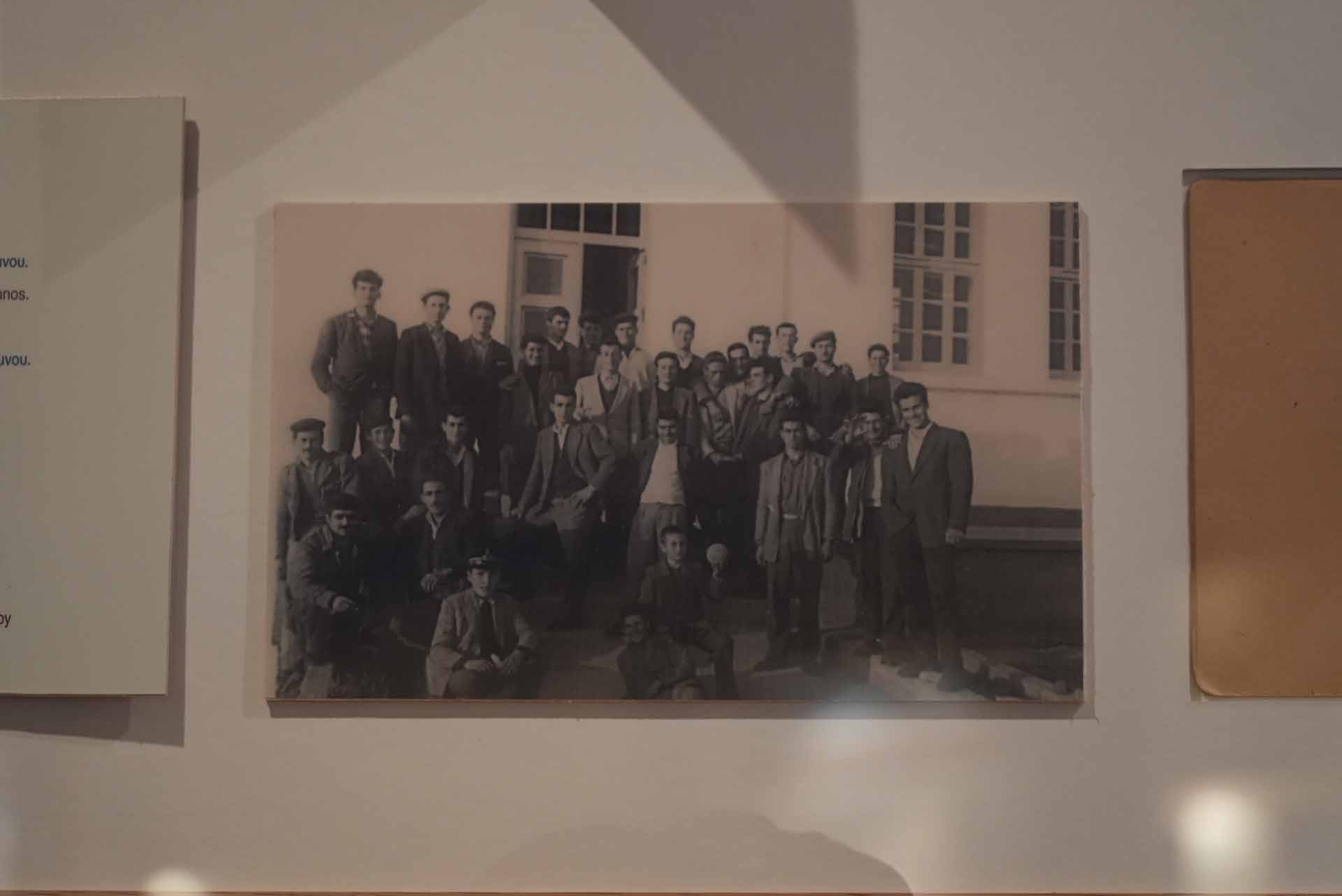
The displacement of Greeks from Asia Minor brought immense hardships for the refugees, the Greek state, and the societies that received them. However, it also sparked some positive developments: the refugees carried with them the culture, techniques, and practices of their homeland, fostering a rich cultural exchange with mainland Greece. In the case of Lemnos and Nea Koutali, the tradition that arrived from the Sea of Marmara was sponge diving.
The refugees of Nea Koutali, who came from the island of Koutali in the Sea of Marmara, had a long-standing history in shipping, trade, and sponge fishing. On their small island, maritime trade flourished during the 19th century. However, in 1862, a shipwreck between Koutali and Istanbul claimed the lives of many experienced sailors. This tragedy forced the inhabitants of the island to turn to sponge diving and fishing as alternative means of livelihood.
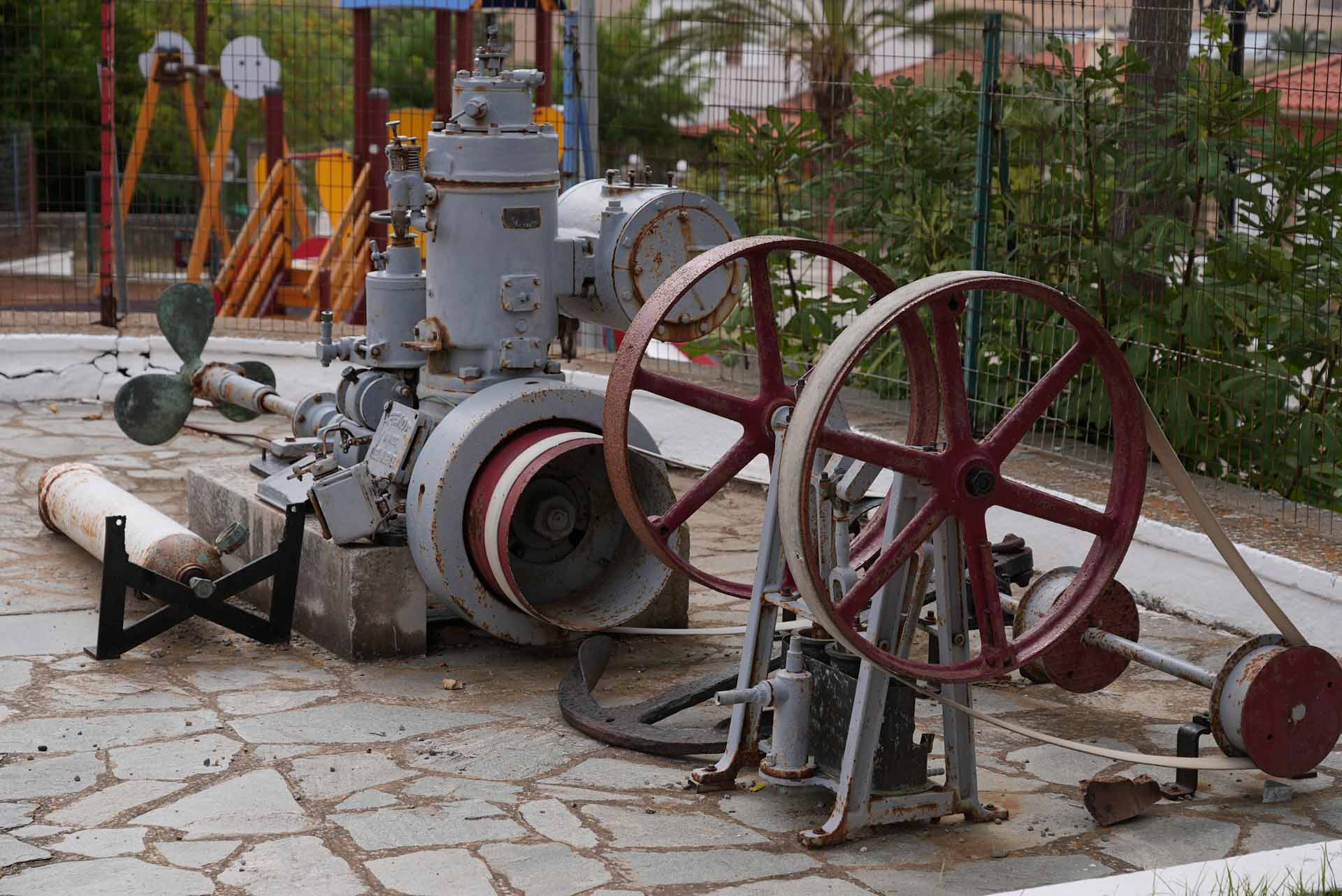
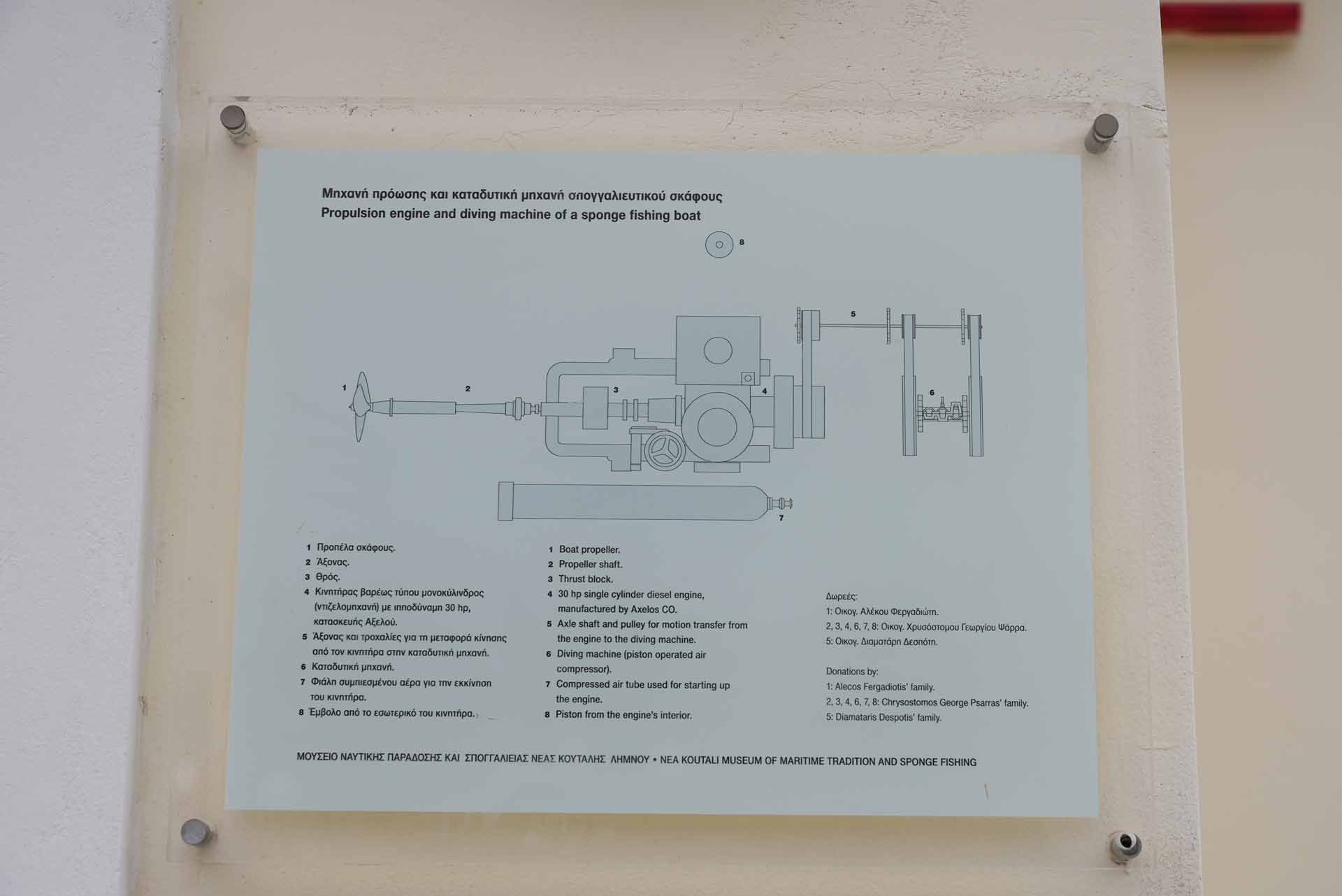
When these refugees settled in Lemnos 1914 and after the population exchange in 1922 and founded Nea Koutali, they brought with them the art of sponge diving, processing, and trade. This skill often proved life-saving, providing them with a means to sustain themselves when refugees across Greece faced dire conditions due to the state’s inability to integrate them quickly. For decades, Koutalians and Lemnian sponge divers traveled across the Aegean and even as far as Africa, harvesting sponges that were exported worldwide, including to Japan. Over time, their activity became confined to the Northern Aegean and the seas around Crete.
The sponge-diving tradition reached its peak between 1926 and 1970. However, by the last quarter of the 20th century, it began to decline. Factors such as the popularity of synthetic sponges, low prices for natural sponges, the rise of tourism at the expense of other professions, bureaucratic hurdles, and, most significantly, diseases that devastated Aegean sponges (particularly in 1986) decimated the industry.
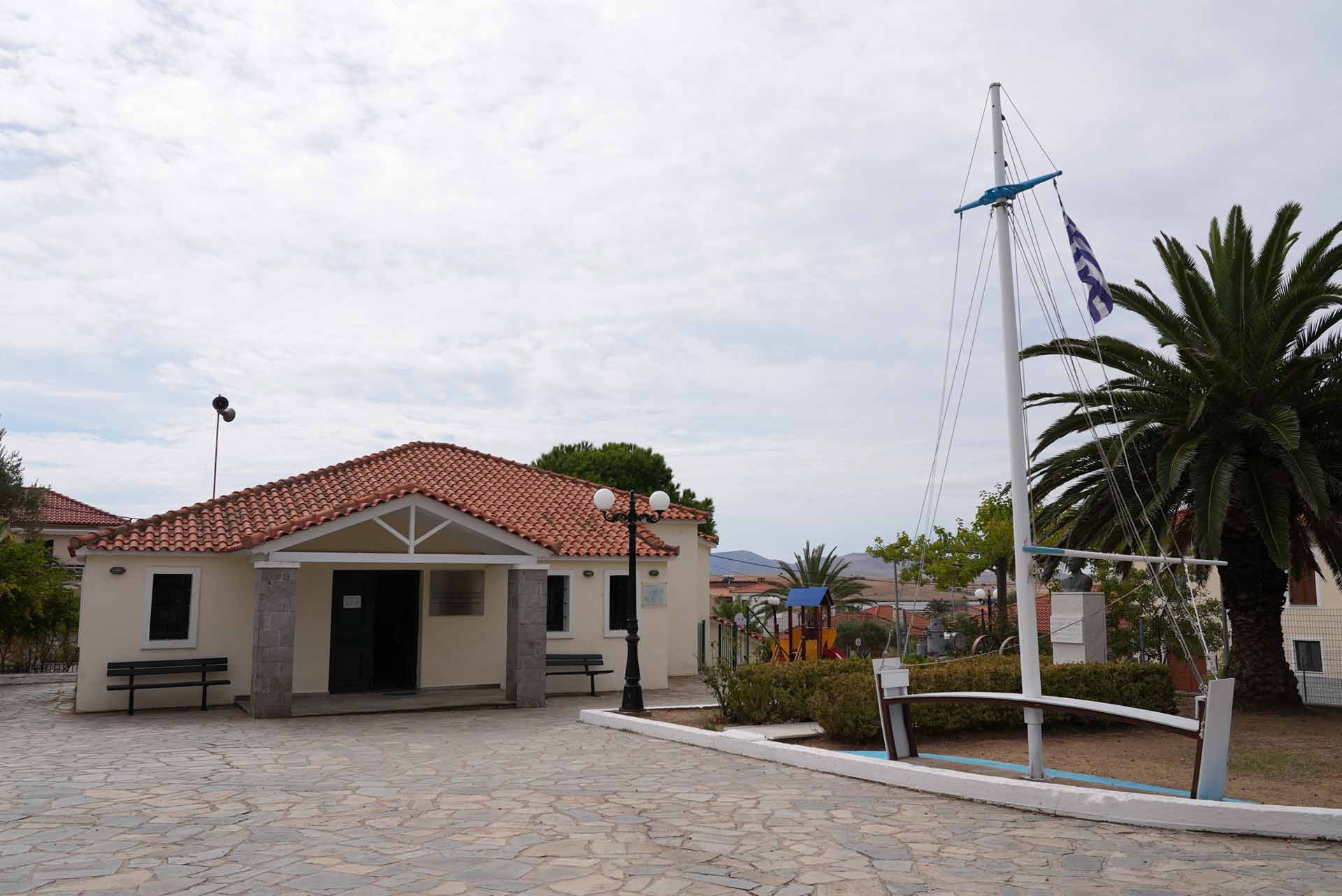
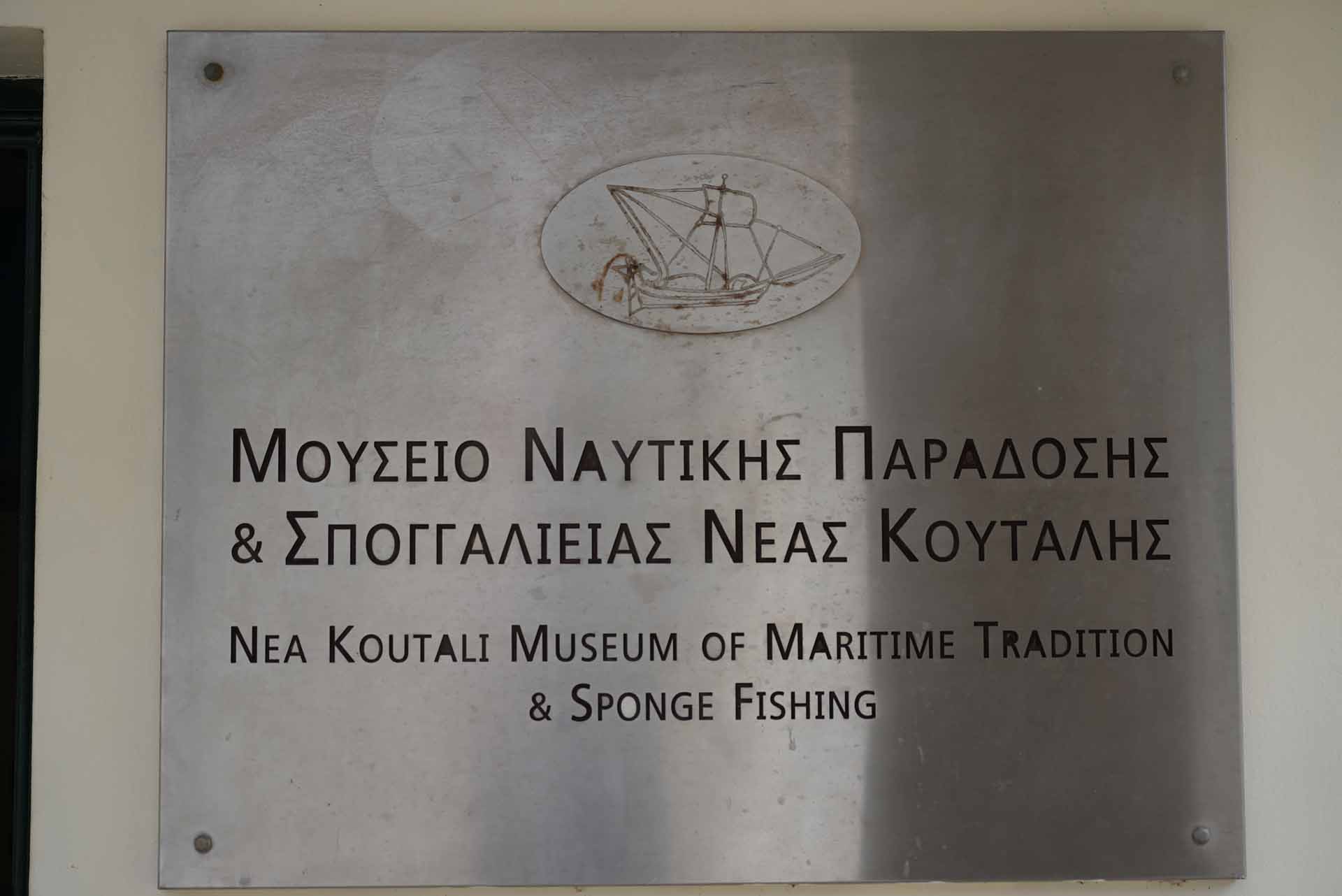
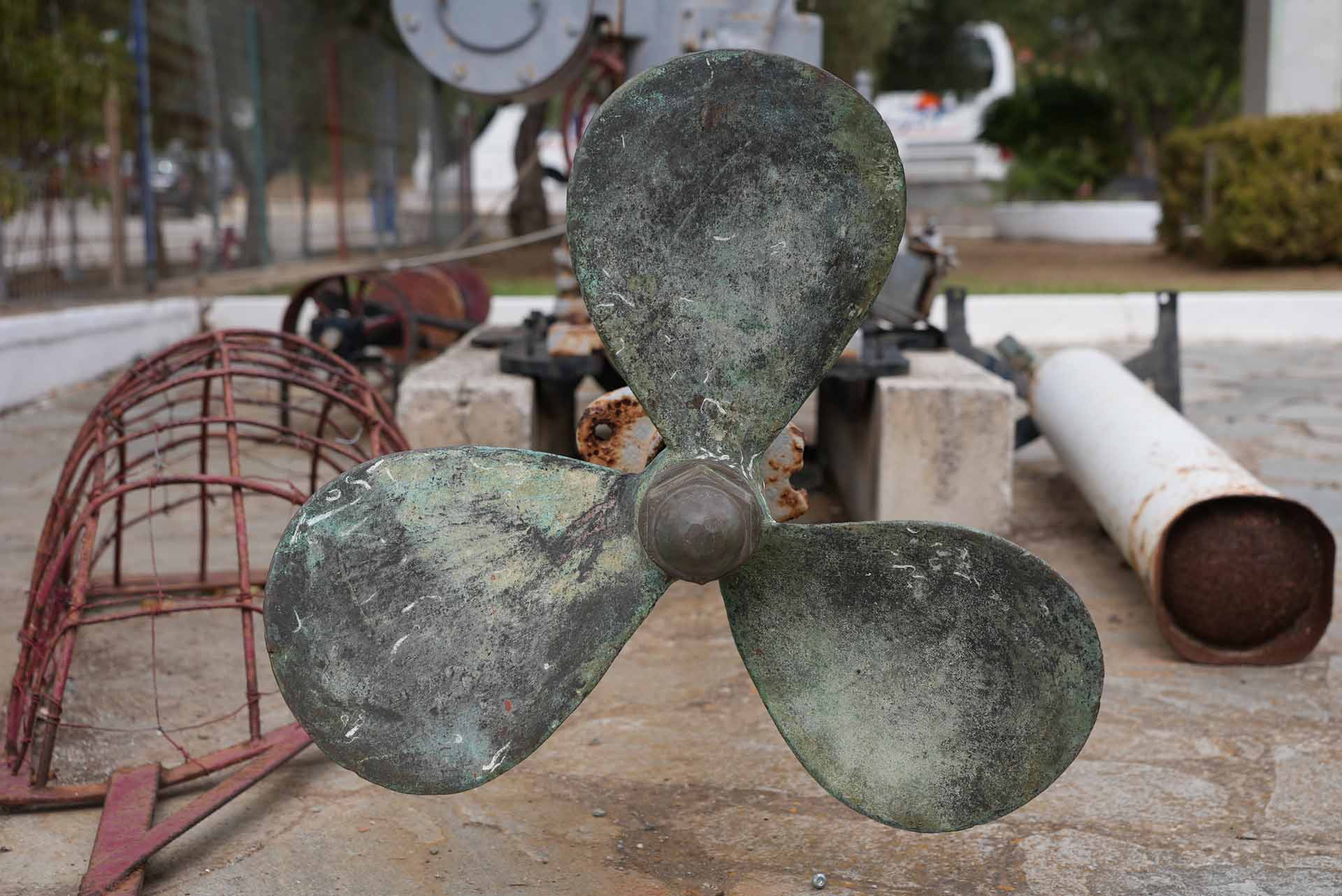
Today, Lemnos’ sponge-diving legacy survives primarily through the Sponge-Diving Museum of Nea Koutali, which has been open since 2006 and remains a fascinating site for visitors interested in this remarkable chapter of the island’s history.