The Fournoi Korseon islands were known in Antiquity as the Korassioi Islands. One of their islets retains the name Korassida, and on the hill of Agios Georgios, a section of a Cyclopean wall remains. Stone sarcophagi from the Late Antiquity, such as the one placed in the central square of Fournoi, originate from the same area. Also, from Petrokopio, whose name and the remaining boulders on the beach testify to the existence of ancient quarries.
In the 16th century, the smaller islands of Fournoi were named Fornelli by the Venetian geographer Benedetto Bordone. The Fournoi islands, which had been inhabited since Antiquity (likely by Ionians), were deserted during the Medieval period, like many other islands, due to the pirate and privateer activity that plagued the Aegean. Specifically, the Fournoi islands were used as an anchorage, lookout, and base of operations by these pirates.
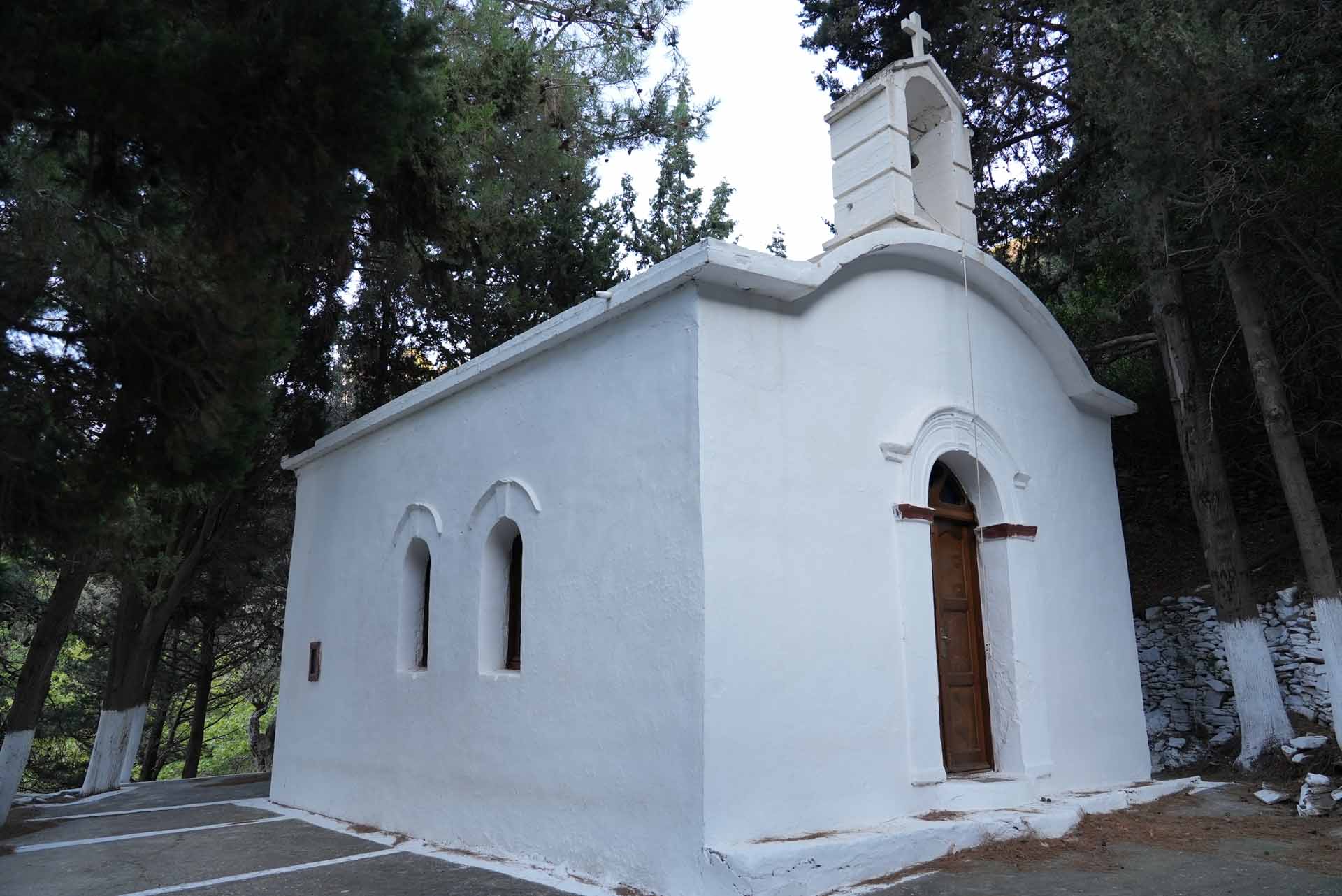
The repopulation of the Fournoi islands began in 1770, as part of the practice of the Holy Monastery of Patmos to establish dependencies, and the tendency of the monks to create hermitages on the surrounding islands. In Fournoi, the monk Niphon, along with five other monks, built a cell and the oldest chapel on the island, Evangelistria, in Koumara. The transition of the island from the ancient religion to Christianity is symbolized by the church of the Holy Trinity, which is built on the walls of a Hellenistic tower. During the Ottoman period, the islands came under the ownership of a Patmian monk, a naval officer, as a reward for his services to the Ottoman fleet. After the Greek Revolution of 1821, the Fournoi islands were not incorporated into the Greek State, and in 1864, an Ottoman garrison was stationed on the island. They officially united with Greece on November 3, 1913.
The first settlement on the island, after the arrival of the monk Niphon and his companions, was founded by people from the Dodecanese. Others from various islands followed. By the end of the 20th century, the island group did not experience the demographic decline seen in other islands. On the contrary, it showed a 10% increase in population. In Thymina, there were 120 inhabitants. In Fournoi, there were 1,400: 100 in Chrysomilia and the rest in the homonymous settlement. At the Primary School, High School, and Lyceum, there were 180 students. In the last decade, there has been a decrease of about 8% (1,343 inhabitants).